

Primary Care Policy
How to Get Started in Research as a Primary Care Professional in the UK
Dr Fatima Tahir6 days ago · 4 min read
Browse all clinical evidence, news, and expert commentary

Coding, registers and the four pillars in UK primary care

NICE TA1152 establishes semaglutide 2.4 mg as a secondary cardiovascular-prevention treatment for adults with established cardiovascular disease and a BMI of at least 27 kg/m². Niraj Lakhani considers what this means for primary care.


New MASH licences clarify the fibrosis stages they cover, while the staging pathway remains the practical question for primary care.
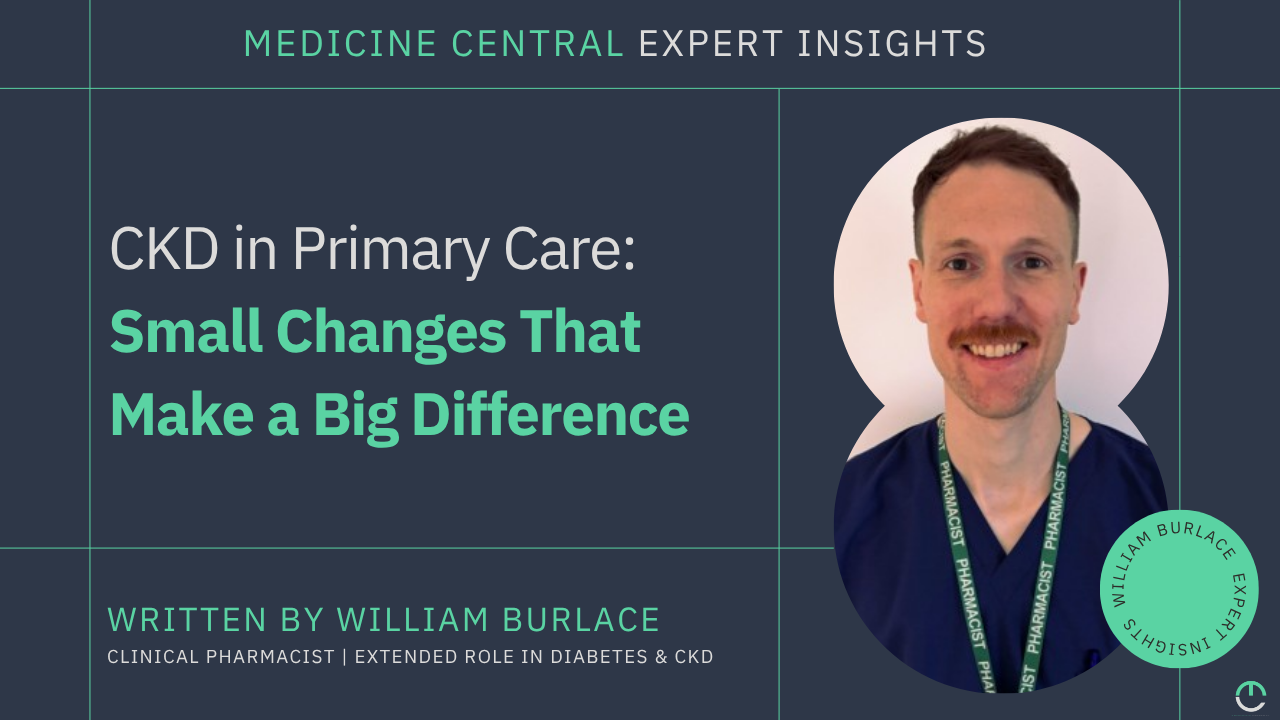
CKD is common, but progression is not inevitable.

A BMJ network meta-analysis of 262 trials and 99,791 participants compares 19 obesity drugs. The ranking matters less than what sits behind each position.


Around a quarter of patients presenting to primary care with mental health difficulties meet criteria for personality disorder, yet only 1 to 1.5% have a coded diagnosis. A new qualitative study explores what that gap looks like from the patient side.
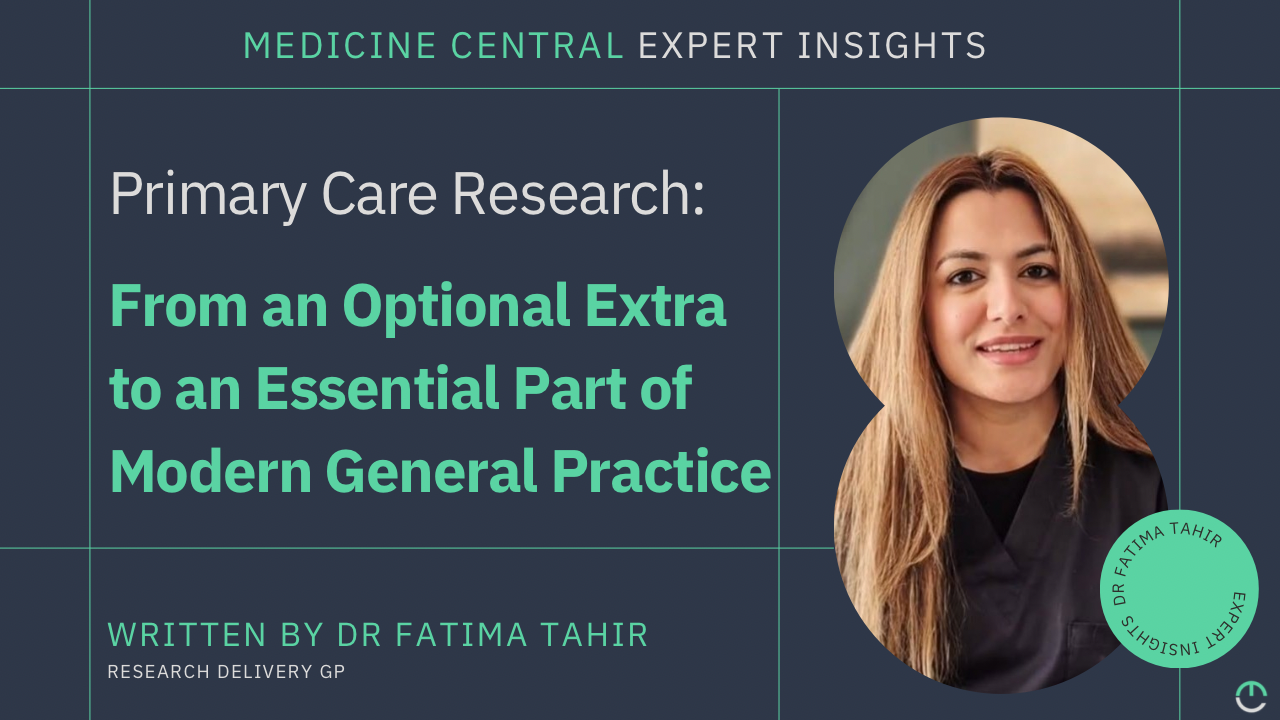
Almost 90% of NHS patient contacts happen in primary care, yet most research still happens somewhere else. Dr Fatima Tahir on why that gap matters, and what practices stand to gain from closing it.
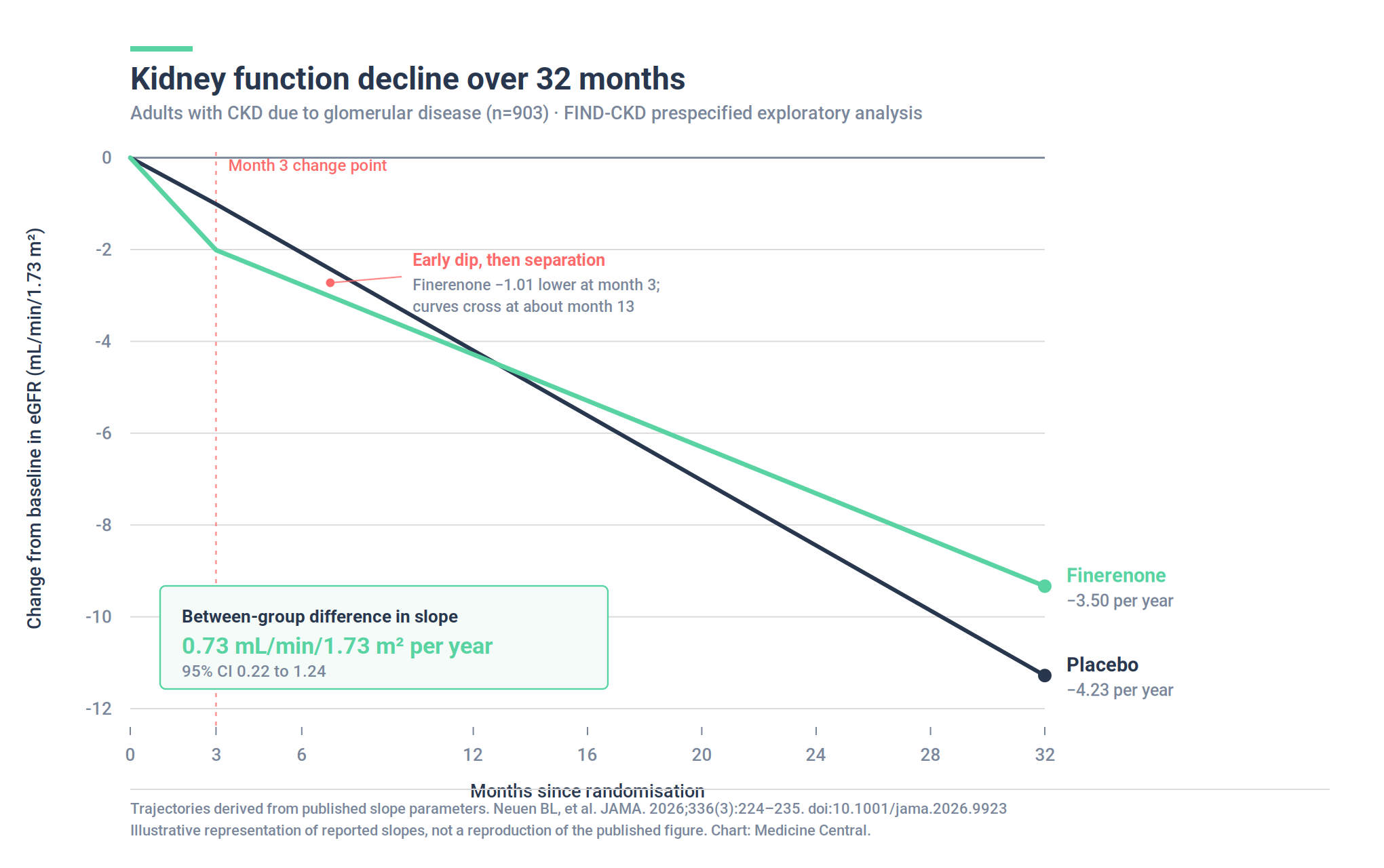
A prespecified exploratory analysis of the FIND-CKD trial reports slower eGFR decline with finerenone in chronic kidney disease due to glomerular diseases.

NICE has published final draft guidance recommending finerenone (Kerendia) for symptomatic chronic heart failure with preserved or mildly reduced ejection fraction. With nearly 280,000 people in England potentially eligible, this is a significant moment for a patient group with few disease-modifying options.
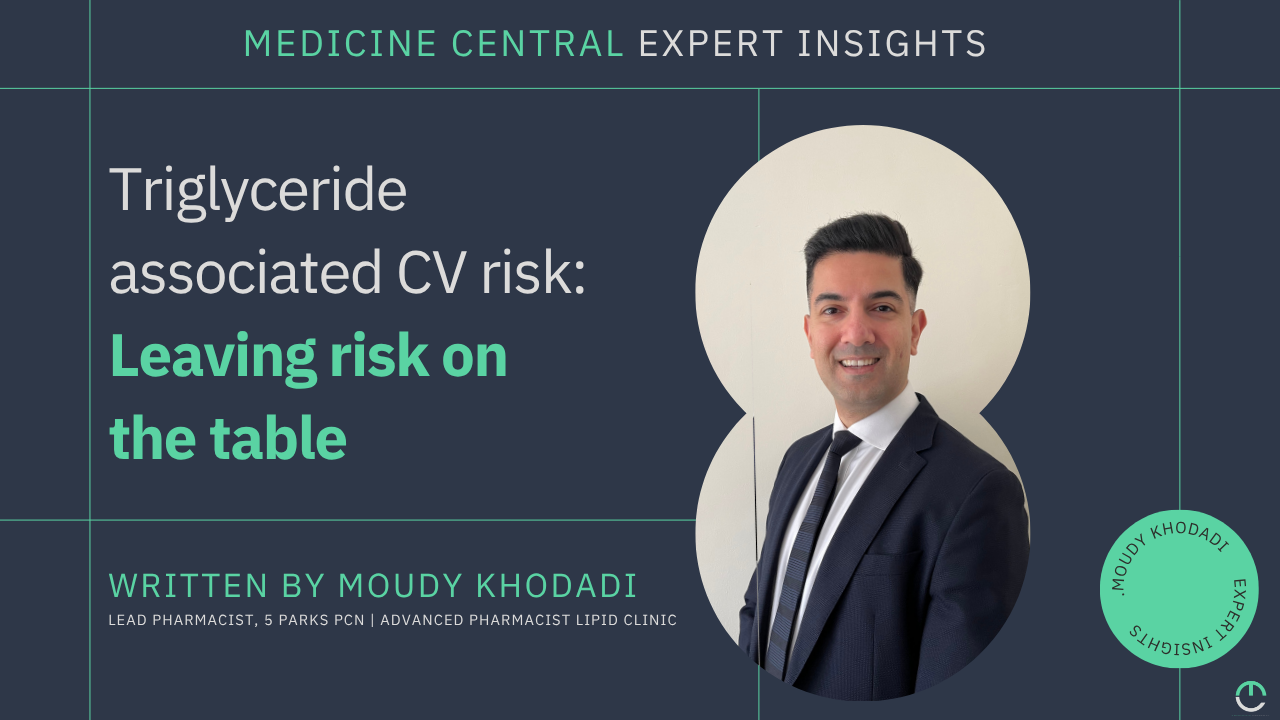
Despite excellent LDL-cholesterol management, 1 in 3 patients with established ASCVD will experience a recurrent event within three years. Elevated triglycerides represent a major — yet frequently overlooked — driver of residual cardiovascular risk. Moudy Khodadi, Advanced Pharmacist Lipid Clinic, explains the mechanism, the evidence, and what actually works.
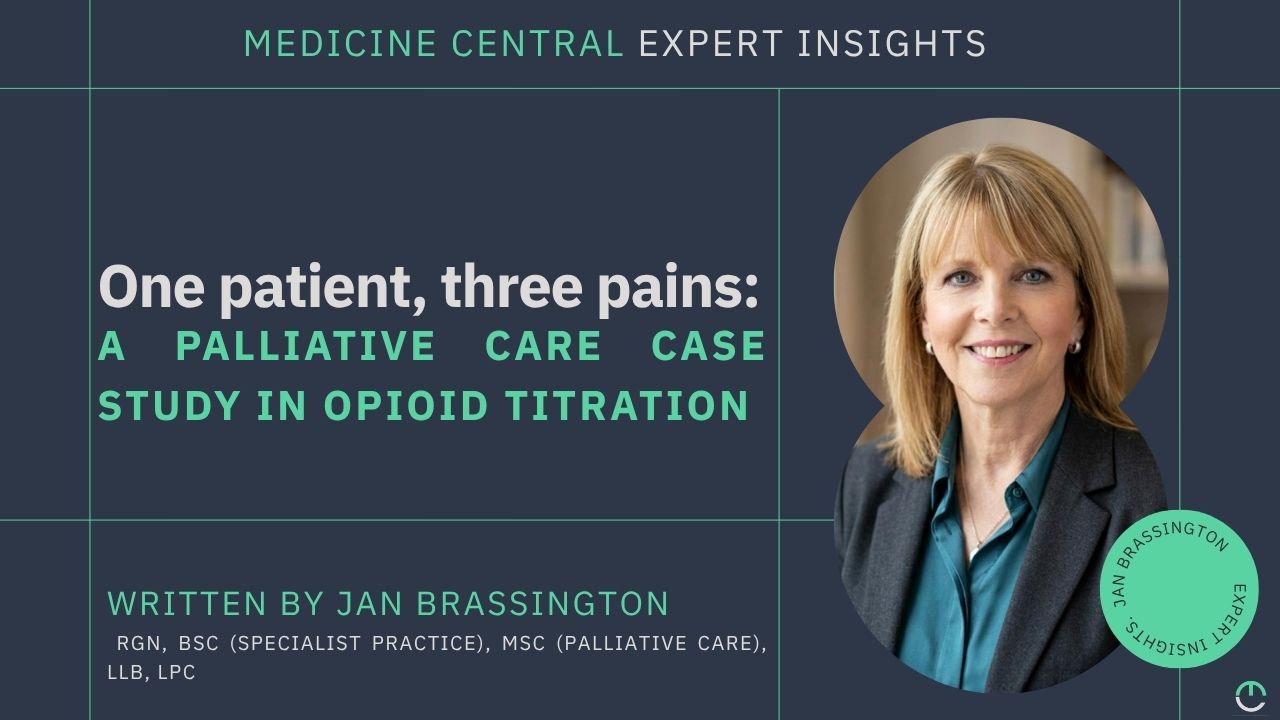
This week, our expert insights will guide you through a case study from Jan Brassington’s webinar, ‘Managing Pain in Palliative Care.’ You can now watch it as an on-demand video on our CPD Webinars page!

Most of us carry a mental model of fatty liver disease as something that turns up more often in men. A new narrative review in Diabetologia suggests it's time for an update.
Patients are arriving in clinic with curated supplement stacks, convinced that longevity science has delivered a shortcut to a longer, healthier life. The evidence tells a more sobering story.

PCOS has been officially renamed Polyendocrine Metabolic Ovarian Syndrome (PMOS) following international consensus in 2026. This expert update covers the new diagnostic criteria, holistic management approach, and what this means for primary care.
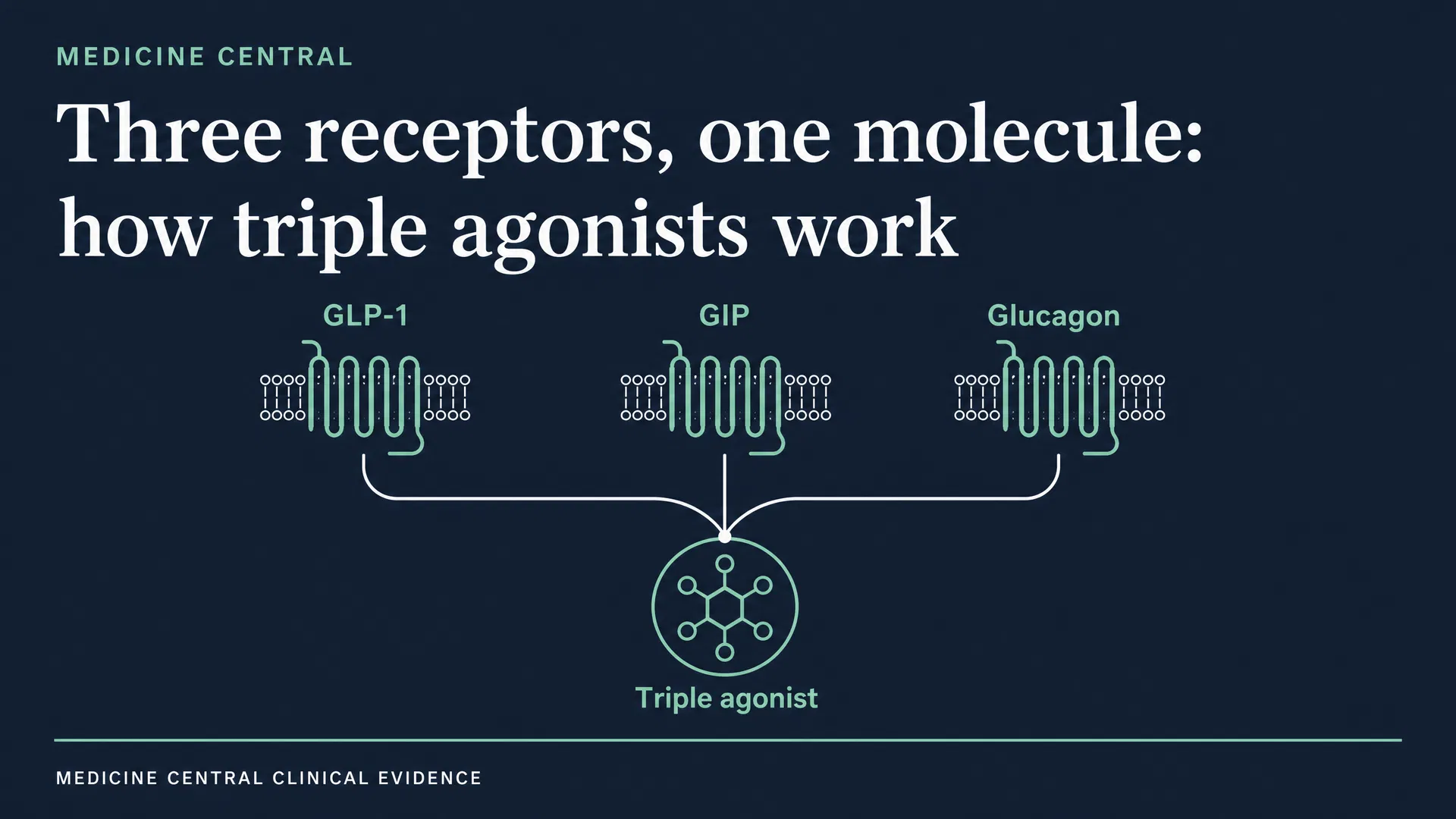
A triple agonist is a single peptide with activity at the GLP-1, GIP and glucagon receptors. This animation maps where each one acts and what the early trial evidence shows.
A new randomised trial (PreventE4) confirmed that high-dose DHA supplementation reaches the brain — even in APOE ε4 carriers — but found no measurable benefit on hippocampal volume, cortical thickness, or cognitive scores over 24 months.

Three NICE pathways for the same class of drug, each with its own eligibility criteria, funding route, and stopping rule. Kashif Shakoor maps a practical route through the complexity.