
How to Get Started in Research as a Primary Care Professional in the UK
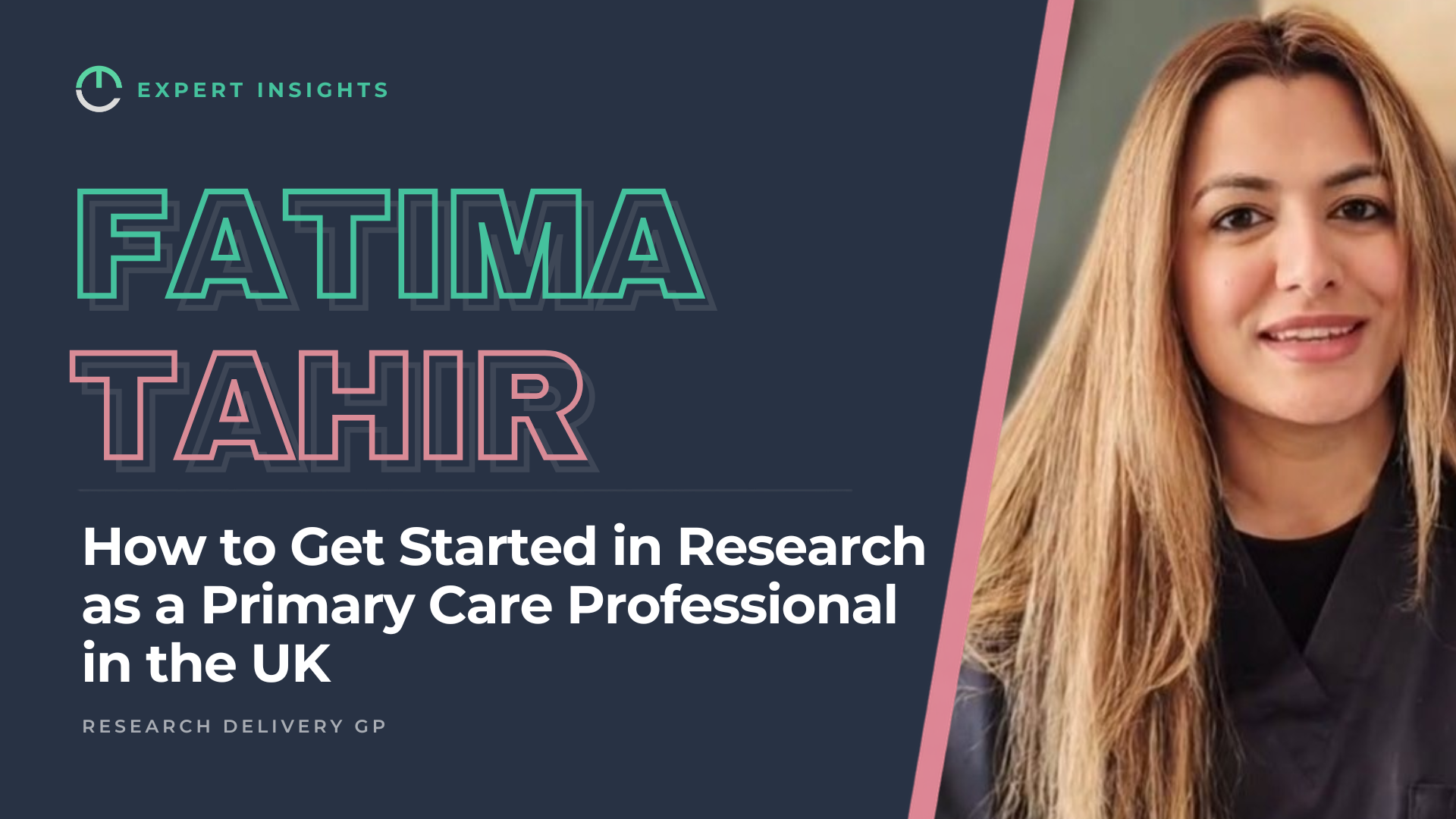
For many primary care professionals, research can feel like something that happens elsewhere such as universities, hospitals or specialist research centres.
I used to think the same.
But getting involved in research does not necessarily mean completing a PhD, becoming an academic or designing your own study. There are many practical ways for GPs, nurses, pharmacists and other primary care professionals to take their first steps into research alongside their existing clinical roles.
So where do you start?
Complete Good Clinical Practice training
A useful first step is Good Clinical Practice (GCP) training.
GCP introduces the ethical and practical principles involved in conducting clinical research, including informed consent, participant safety, documentation and investigator responsibilities.
In the UK, GCP training is available through the NIHR for free and provides an excellent foundation for anyone interested in research delivery. Link below to the NIHR website.
Here is the link of the video I created to take you through the NIHR website to make it easier to understand how to sign up for the free GCP training.
Find your local research network
You do not need to navigate research alone.
The NIHR Research Delivery Network supports research across England and can help healthcare professionals and organisations connect with studies, training and research opportunities.
Find out who supports research in your local area and start a conversation.
You may also discover that colleagues within your practice, Primary Care Network or local NHS organisations are already involved in research.
Start small
Your first experience does not need to involve running a complex clinical trial.
A practice might initially support a study by identifying potentially eligible patients, acting as a Participant Identification Centre, or participating in a relatively straightforward observational study.
Starting small allows you to understand how research works while gradually building confidence and experience.
Learn from people already doing it
One of the most valuable ways to develop research skills is to work alongside experienced research teams.
Speak to colleagues involved in studies, attend research meetings and look for opportunities to observe how research is delivered in practice.
Much of research is learned by doing.
You don't need to know everything before you begin
Perhaps the most important message is that you do not need to be a research expert before getting involved.
Primary care professionals already have many of the skills research requires: communication, consent, clinical judgement, documentation and multidisciplinary working.
The research-specific knowledge can be easily learned.
So if research interests you, start with one step: complete GCP training, contact your local research network, or simply ask what research is already happening around you.
You may be surprised by where that first conversation leads.
Enjoyed this article?
- ✓Unlimited access to clinical evidence articles
- ✓Weekly newsletter curated for UK primary care
- ✓Free for registered UK healthcare professionals