
Preparing for dialysis was no better than conservative care for older, frailer people with kidney failure
Fewer than one in three people who prepared for dialysis ever started it. A UK trial questions the default.
CLINICAL DATA
For an older person with kidney failure, the usual plan is to prepare for dialysis. The alternative is conservative kidney management: active care to slow decline, control symptoms and protect quality of life, without dialysis. Prepare for Kidney Care is, the authors say, the first randomised trial to compare them.¹
The trial recruited 445 people with an eGFR below 15 at 31 UK kidney centres. They were aged 80 or over, or 65 to 79 with poor performance status or significant comorbidity. Median age was 82. Half prepared for dialysis. Half prepared for responsive management, a structured form of conservative care.¹
The primary outcome was quality-adjusted life-years (QALYs), which combine length and quality of life. After a mean of 4.5 years:¹
Mean QALYs were 1.472 with preparing for dialysis and 1.354 with responsive management.
The adjusted difference was −0.147 (95% CI −0.350 to 0.056). The trial had set 0.345 as a clinically important difference.
Survival did not differ (adjusted HR 1.10, 95% CI 0.87 to 1.40).
Hospital admission rates were similar.
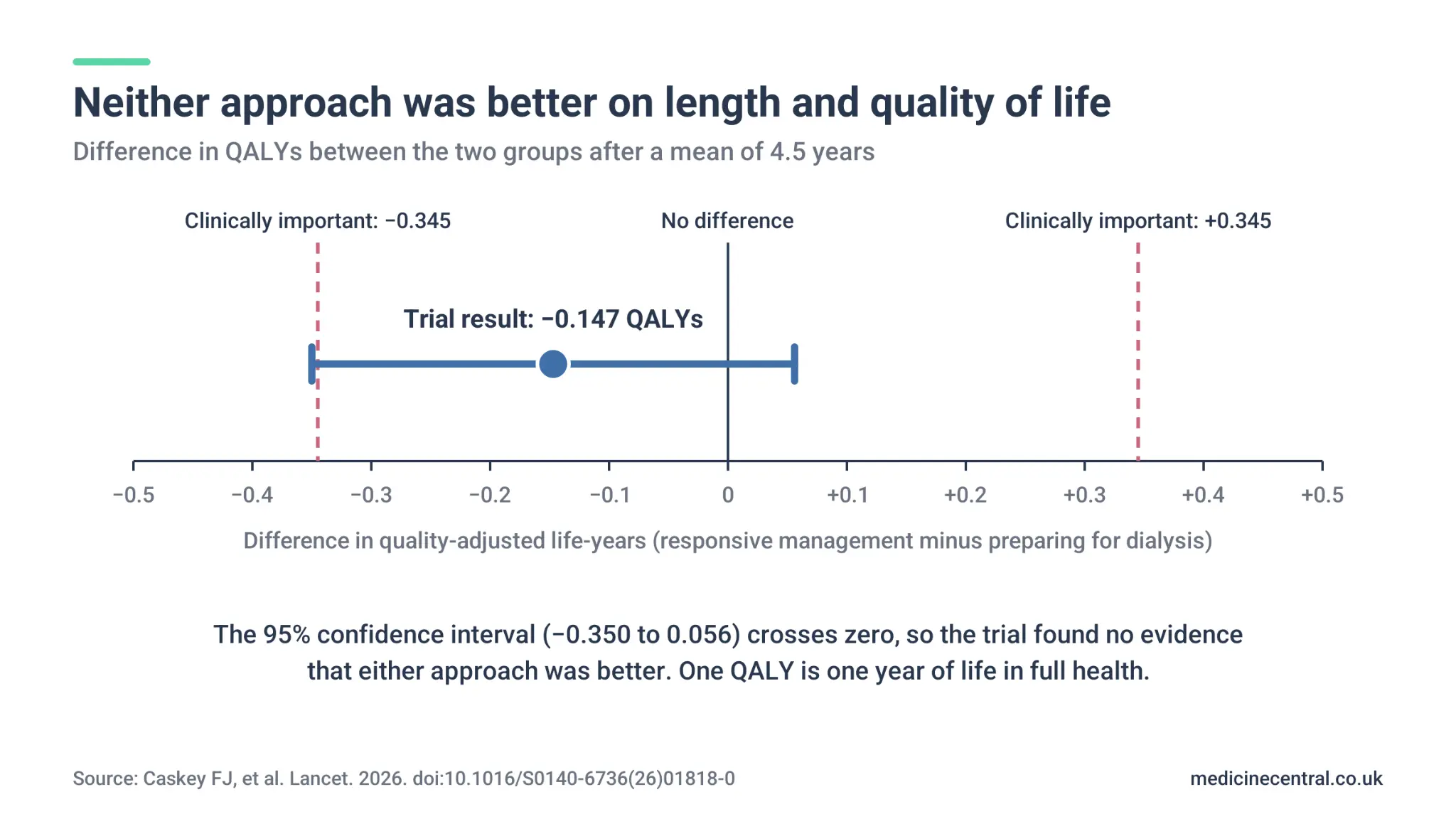
Figure 1. Neither approach was better on length and quality of life.
Among people still alive, quality-of-life scores were slightly lower with responsive management, mostly in pain and discomfort. Dialysis access complications were less common.¹
Only 28% of those preparing for dialysis started it, as did 18% of those preparing for responsive management. During follow-up, 63% and 69% died. The authors conclude that the risk of death far outweighed the risk of starting dialysis.¹
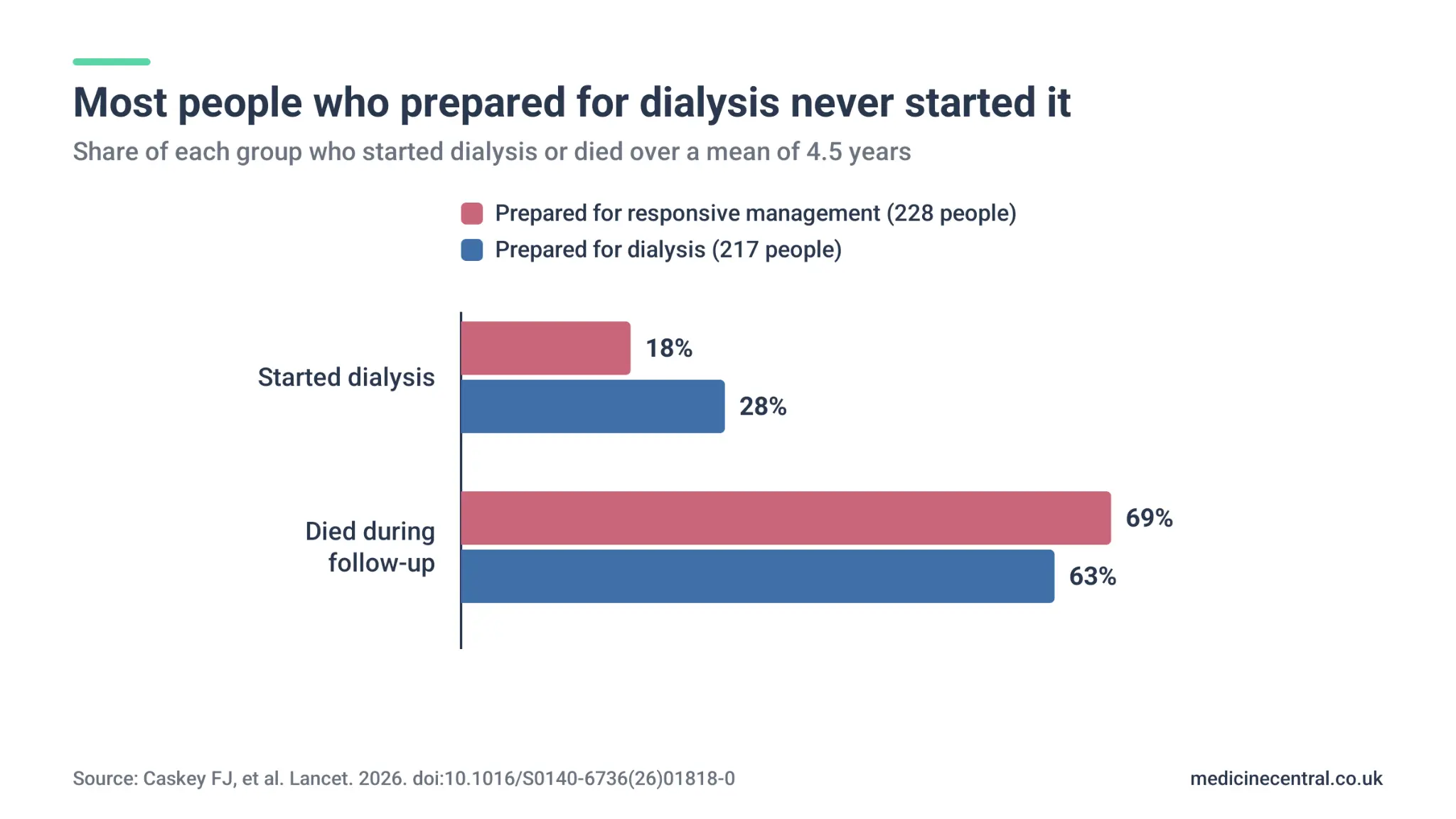
Figure 2. Most people who prepared for dialysis never started it.
What does this mean in primary care?
Neither approach was better on length and quality of life combined.
Most people who prepared for dialysis never started it.
This was a trial of two ways of preparing, not of dialysis itself, and it was not designed to show equivalence.
About one in four people in each group later withdrew from their allocated plan. The authors note that patients are not locked into the decision.
The authors say the findings allow a move away from preparing for dialysis as the default plan for this group.
Intended for UK healthcare professionals only. This article reports on published clinical data and does not constitute prescribing advice.
References
Caskey FJ, Worthington J, Liu Y, et al. Preparing for responsive management versus renal dialysis in older people living with kidney failure and frailty or multimorbidity in the UK (Prepare for Kidney Care): a two-arm, superiority, parallel-group, open-label, pragmatic, phase 3, individually randomised controlled trial. Lancet. Published online 4 November 2026. doi:10.1016/S0140-6736(26)01818-0