
ADHD prescribing in primary care: what GPs need to know
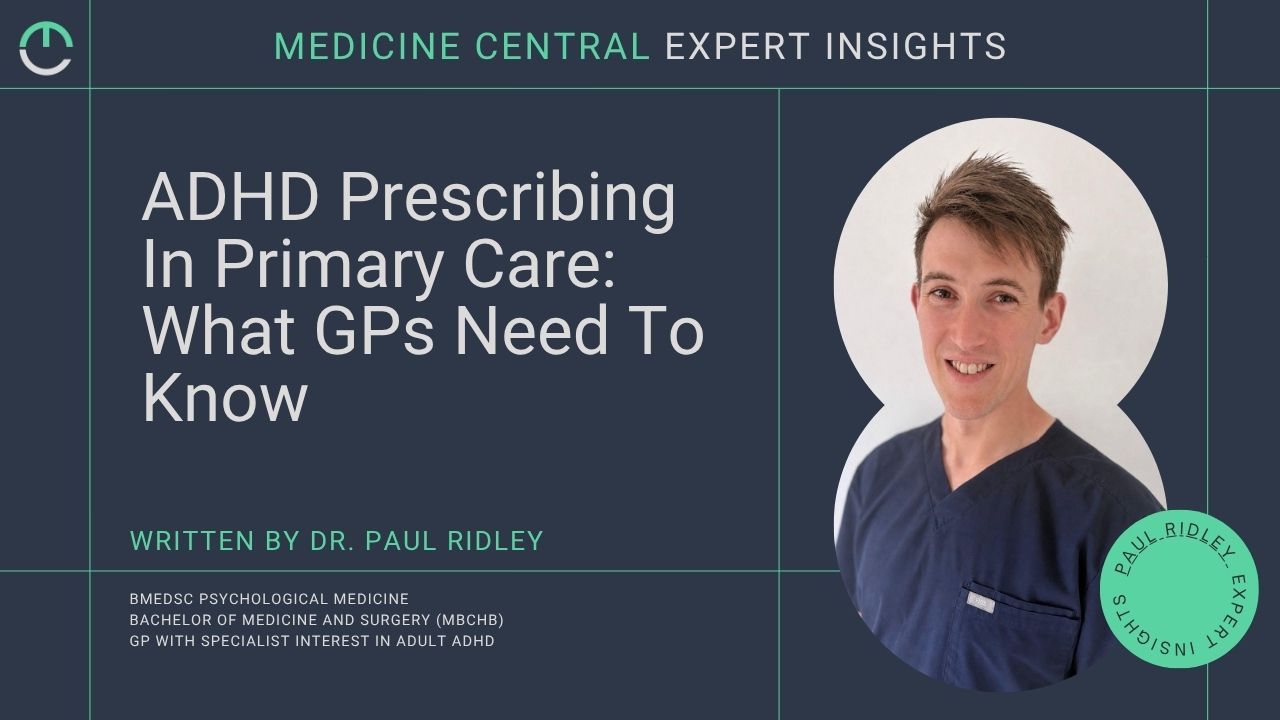
Rising ADHD referrals means more GPs managing shared-care stimulant prescribing. This week's article is a GP guide to shared-care monitoring, red flags and drug interactions, with a free downloadable cheat sheet.
Rates of adult ADHD referral and diagnosis are rising rapidly, and the impact is increasingly felt in primary care. NHS England reported 18,915 new referrals for ADHD assessment in December 2025, a 17.3% increase year-on-year.¹ In 2024/25, only 1.6% of males and 0.9% of females in England had a recorded diagnosis, well below NICE's estimated 3–4% adult prevalence.²,³ Prescribing volumes are rising in parallel, with approximately 297,000 patients now receiving treatment.⁴ GPs are now routinely managing patients prescribed lisdexamfetamine and methylphenidate, and need to understand these medications and recognise when a patient's presentation may relate to their ADHD treatment.
Cardiovascular monitoring
Stimulant medications increase sympathetic activity, leading to modest rises in heart rate and blood pressure. Shared-care protocols include six-monthly monitoring of blood pressure and pulse.⁵,⁶ Sustained tachycardia (>120bpm), arrhythmia, or new-onset hypertension should prompt specialist review.⁵ New cardiac symptoms such as chest pain, dyspnoea, syncope, pre-syncope, or palpitations warrant withholding treatment, urgent specialist advice, and consideration of cardiology input.⁵,⁶
Weight and appetite
Appetite suppression is a common side effect of stimulant treatment. Shared-care protocols include six-monthly monitoring of weight, height, and appetite.⁵ Significant or sustained weight loss should prompt specialist escalation, although treatment may continue pending review where clinically appropriate.
Mental health comorbidity
ADHD often coexists with anxiety, depression, and substance misuse. While stimulant treatment can improve core ADHD symptoms, it may also exacerbate anxiety, irritability, and sleep disturbance.⁶ New or worsening psychiatric symptoms warrant clinical review. Psychotic symptoms, mania, marked hostility, or suicidal ideation require urgent specialist escalation.⁵,⁶
Polypharmacy
Awareness of drug interactions is important, particularly when GPs initiate mental health treatment alongside established ADHD treatment. Both lisdexamfetamine and methylphenidate carry a risk of serotonin syndrome when combined with SSRIs or SNRIs.⁶,⁷ Citalopram and escitalopram are contraindicated alongside other QT-prolonging drugs per MHRA guidance.⁸ Tricyclic antidepressants combined with lisdexamfetamine may increase the risk of cardiovascular adverse events.⁵ Methylphenidate alongside antipsychotics warrants caution due to pharmacodynamic interactions.⁷
Other clinical considerations
Stimulants can lower the seizure threshold; new or significantly changed seizures warrant urgent specialist advice and treatment is usually paused.⁶,⁷ Glaucoma is a contraindication to lisdexamfetamine, and any diagnosis or suspicion should prompt specialist review.⁶ Insomnia often responds to dose timing or sleep hygiene; persistent symptoms warrant referral back to the specialist.⁵ Pregnancy management is specialist-led; any patient who becomes pregnant should be referred promptly for review.⁵
Ongoing risk assessment
Lisdexamfetamine and methylphenidate are Schedule 2 controlled drugs with potential for misuse and diversion. GPs should remain alert to patterns such as early repeat prescription requests and inconsistent engagement with follow-up.⁵ Specialist review at least annually is part of shared-care prescribing; where this has lapsed, prescribing arrangements warrant reconsideration.⁵,⁶ As with all shared care, responsibility for safe prescribing ultimately rests with the GP, and decisions should be guided by clinical judgement.
📥 Download the GP cheat sheet for the full monitoring picture, interactions matrix, and red flag triggers.
📎Medicine Central ADHD Stimulant Cheat Sheet.pdf
References
1.NHS England. ADHD Management Information, February 2026. Available from: digital.nhs.uk/data-and-information/publications/statistical/mi-adhd/february-2026; 2. NHS England. ADHD Management Information: OpenSAFELY analysis summary, November 2025; 3. National Institute for Health and Care Excellence. Attention deficit hyperactivity disorder: prevalence. NICE Clinical Knowledge Summaries. cks.nice.org.uk; 4. NHS Business Services Authority. Medicines Used in Mental Health: CNS Stimulants and Drugs Used For ADHD, England, July to September 2025; 5. NHS Dorset. Shared Care Protocol — Lisdexamfetamine for patients with ADHD. Integrated Medicines Optimisation Committee, February 2025; 6. Elvanse (lisdexamfetamine) Summary of Product Characteristics. Available from: medicines.org.uk; 7. Concerta XL (methylphenidate) Summary of Product Characteristics. Available from: medicines.org.uk; 8. Medicines and Healthcare products Regulatory Agency. Citalopram and escitalopram: QT interval prolongation. Drug Safety Update, December 2011; 9. National Institute for Health and Care Excellence. Attention deficit hyperactivity disorder: diagnosis and management (NG87). nice.org.uk/guidance/ng87.
Medicine Central is a clinical evidence review for UK primary care clinicians. Content reflects evidence current at time of publication and should be read alongside local formulary and clinical guidance. Guest contributors retain responsibility for the accuracy and originality of their work. Views expressed are the author's own and do not necessarily reflect those of Medicine Central. For healthcare professionals only.
Enjoyed this article?
- ✓Unlimited access to clinical evidence articles
- ✓Weekly newsletter curated for UK primary care
- ✓Free for registered UK healthcare professionals